Category: Tuition
-

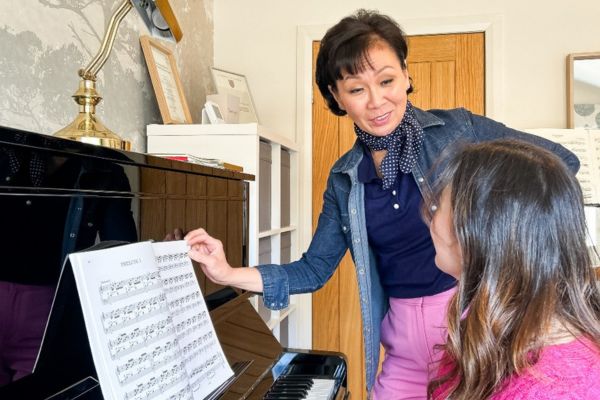
Piano Parents: What to Do When Your Child Loses Motivation
It can be disheartening to see your child lose interest in something you hoped would bring them joy.
Maybe they used to run to the piano… and now they need constant reminders.
Maybe you’ve said things like:
- “You used to love playing — what happened?”
- “Why don’t you just practise for ten minutes?”
- “Don’t you realise how lucky you are to have lessons?”
If this sounds familiar, please know — you’re not alone. Nearly every music parent experiences this at some point.
The good news? Motivation can be rebuilt. And no, it doesn’t have to involve bribing or nagging.
Let’s explore what’s really going on — and what can help.
Motivation Doesn’t Start with Action
As parents, we often jump to the final step: “Just practise!” But motivation doesn’t begin there. Instead, think of motivation as a process — a gentle build-up that leads to action.
I like to use this simple acronym: A.I.D.A.
A = Attention
I = Interest
D = Desire
A = Action
Let’s unpack each one.
A = Attention
This is the first and easiest step.
Before a child can be interested, they need their attention gently drawn to the piano. But timing is everything.
If your child is in the middle of a game or watching something, and you suddenly say, “Go and practise now,” it may feel like you’re dragging them away from something they enjoy.
Try This:
Set a regular practice time that fits your family rhythm. For example:
- 10 minutes before breakfast
- A short session after school snack time
- This way, practice time is expected — not a surprise interruption.
- And here’s the trick: At this stage, your job is just to call their attention.
- No pressure. No judgment. No reminders about how little they’ve practised lately. Just… attention.
I = Interest
Once your child is at the piano, interest is what keeps them there.
We all tend to keep doing things we find enjoyable or satisfying — children are no different.
Try This:
- Avoid correcting every mistake
- Comment positively:
- “That piece sounds cheerful!”
- “I like that rhythm — it’s catchy!”
You don’t need to give a detailed assessment — just give them a good feeling about being at the piano.
D = Desire
This is where motivation really begins to bloom. Desire means your child wants to play — not because they were told to, but because something in them says, “I want to try that again.”
If motivation has dipped for a while, this may take some time. Be patient. Your quiet encouragement is the water and sunshine that helps it grow.
Try This:
Ask your child:
- “What would make you want to play more?”
- “Would you like to collect stickers or points when you practise?”
You might be surprised by how simple their answers are. Many children enjoy stickers or small tokens — not for material rewards, but for a sense of progress and recognition. (Let’s be honest — adults like collecting airmiles or supermarket points too!)
A = Action
This is the step every parent hopes for — but it’s the last step in the process.
Here’s the key: if Attention, Interest, and Desire are in place, Action will come naturally.
What Not to Do
It’s tempting to push harder when motivation dips — but often, that backfires.
Instead, try not to:
- Criticise their effort (“You’ve done enough!”)
- Compare them to others (“Your sister used to practise without being asked…”)
- Threaten to cancel lessons (this can add shame instead of clarity)
- Instead, focus on what you can influence: the environment, the routine, the atmosphere.
Let’s Work as a Team
Your child’s teacher isn’t just here to correct notes and assign scales — they’re here to support your child’s growth and help you understand how that growth unfolds. When parents, students, and teachers come together as a team, something truly special happens: we create a shared environment where learning is joyful, not pressured.
But here’s where things often go wrong…
The biggest cause of frustration for parents, students, and even teachers is this:
Everyone is looking for visible results too soon — and too often.
Motivation dips when progress is constantly measured, analysed, or questioned. Children can start to feel like they’re being tested every time they sit at the piano. It’s a lot to carry — and not very encouraging.
Imagine this scenario:
Your child sits down to practise, and after five minutes, they hear:
- “Is that all?”
- “You need to practise more.”
- “I can’t hear any progress.”
Even if well-meant, these comments create a sense of pressure and disappointment. Instead of building motivation, they plant seeds of doubt. And over time, these seeds can grow into reluctance — or even resentment.
Shift the Focus from Progress to Enjoyment
What if we shifted the focus from “How well are they doing?” to “How much are they enjoying this right now?”
Because motivation doesn’t come from being constantly measured.
It comes from feeling successful, seen, and supported.
Try This Instead:
Ask your child:
- “What kind of tunes do you enjoy most?”
- “Would you like to finish your practice by playing one of your own pieces?”
- “What was your favourite part of your last lesson?”
These simple questions create space for pleasure, choice, and connection — and these are the building blocks of sustainable motivation.
Create Space for Reflection — Not Constant Evaluation
Instead of trying to assess progress daily or weekly, I recommend a semi-formal review every few months or at the end of each term. This takes just ten minutes and can involve:
The student, reflecting on what they’ve enjoyed or struggled with
The teacher, offering insight and gentle feedback
The parents, sharing their hopes or questions
This is far more productive — and far kinder — than daily critiques. It also models an important life lesson: progress takes time, and reflection is something we do together, not in isolation.
Clarify Your Goals Together
To work well as a team, it helps to have shared goals. Ask yourself:
- “What do I really want for my child through music?”
It might be:
- “I want my child to enjoy the piano and feel proud of themselves.”
- “I’d like them to work towards grades in the future.”
- “I want clear practice tips so I can support them better at home.”
Whatever your hopes are, let your teacher know. The more clearly you can communicate, the more tailored and helpful your child’s lessons will be.
Teachers, too, need to be clear about what they are aiming for — whether it’s building technical fluency, developing musical expression, or simply nurturing confidence. A mismatch in expectations can lead to demotivation or confusion for everyone.
So don’t be afraid to ask:
- “What’s the focus right now?”
- “What can I support at home?”
- “How do you think my child is progressing?”
And just as importantly — tell us what’s going well, too!
Final Thought
Final Thoughts
The best kind of progress is the one that happens together, in a calm and trusting environment.
You’re not just supporting your child’s music education — you’re helping them build confidence, creativity, and resilience.
With kindness, clarity, and teamwork, motivation becomes something that lasts — and music becomes something your child will carry with them for life.
Motivation isn’t magic — it’s momentum.
Start with small, positive steps. Create space for attention. Keep the environment kind. Allow interest to grow.
And remember: you’re not failing. You’re parenting — and you’re doing it with care.
Want Help with Practice Routines?
Want Help with Practice Routines?
If you’d like more tips on how to increase motivation and encouragement — whether you’re a parent or a music tutor — here are some ways to stay connected:
🔗 Follow my Facebook page for regular encouragement, resources and insights for music teachers and families.
🎹 Book a one-off consultation session if you’re a parent who wants advice on how to keep your child motivated with their music learning. I’d love to support you.
🎵 Are you a tutor? If you’re finding that your students — or their parents — are losing motivation or not making the progress you expected, you’re also very welcome to book a consultation. Sometimes just one fresh perspective can make all the difference. You can use this session to ‘pick my brain’! Book your session here.
I look forward to helping you build a more compassionate, motivating music journey — one lesson at a time.
-
It’s Not About the Notes
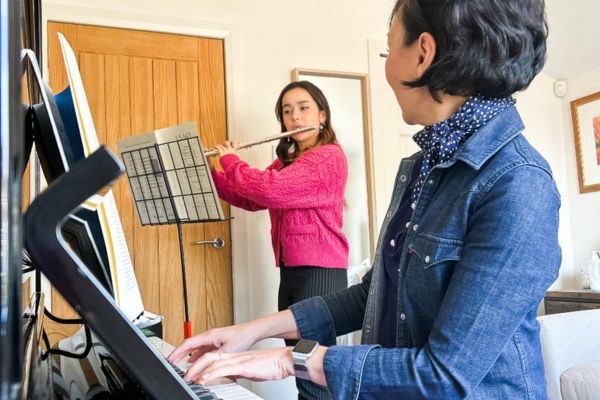
Today marks 30 years since I started teaching piano and flute lessons to Durham University students!
Prior to this, I spent 10 years teaching music as both a private tutor and school teacher. Over the years, I’ve had the privilege of working with students of all ages, from 6 to 60+. Now, I specialise in teaching students who are 16+ and at Grade 6+ level, with many preparing for advanced exams.
It’s been an incredible journey watching so many musicians grow and flourish, and I’m excited for what the future holds! What I’ve noticed most students need are the techniques to support their practice. So many feel guilty about not practising enough, but it’s not about how much time you spend—it’s how you practise that makes the real difference.
That’s why, in every lesson, I weave in strategies like time management, identifying motivations, overcoming barriers to getting things done, and developing the confidence to perform under pressure. These skills are just as important as playing the notes!
-
My Top Tips for Finding the Right Music Teacher
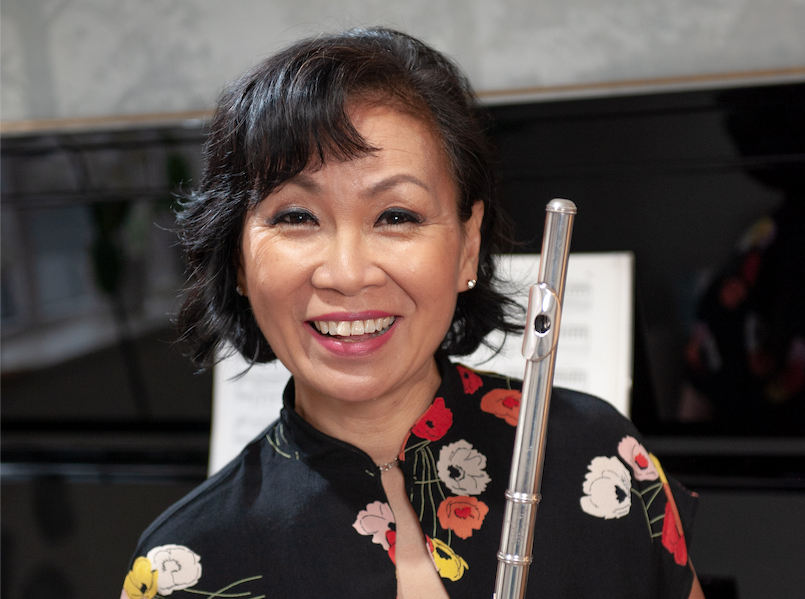
How do you decide if a piano or flute teacher is right for you? Do you see an advert or get a recommendation and commit to lessons straightaway? Or do you opt for a trial lesson to see if you and your music teacher are a good fit?
Here are my top tips for finding the right music teacher.
Tips for parents:
If you’re looking for a piano or flute teacher for your child, I would advise you to not rush into committing to ongoing lessons. Ask if they can offer your child a trial lesson or a few trial lessons before you decide.
Your child needs to feel comfortable with their music teacher, as a 1 to 1 lesson is very personal. As a parent, you want to feel reassured that your child and their teacher are a good match too. So take your time before you take the plunge. Make enquiries, ask for recommendations, and ask prospective teachers if they offer trial lessons.
I offer prospective students a trial lesson before I take them on and I always ask them (or their parents) if they feel I’m the right music teacher for them.
This is really important as the experience your child has in their lessons will influence how they feel about future music lessons, and their music practice in general.
Tips for adult students:
If you want to find a music teacher, head online and do some research. You can search on https://www.musicteachers.co.uk/ for your nearest teacher and you can also see details of their qualifications and testimonials from former and current students.
Before you commit to lessons, it’s a good idea to think about your goals and expectations. For example, if you just want to learn to play your favourite tunes on the piano as a hobby, but you sign up for lessons with a teacher who expects you to enter for high level exams, it won’t work. The mismatch of expectations means that neither of you will get what you want out of the lessons. Make sure that you’re both on the same page from the start.
Who do I teach?
Most of my students are university students. I also teach adult beginners who want to enjoy a new hobby, as well as music teachers who want to continue developing their skills, or take higher level exams.
I help to prepare Durham University music degree students for their exams and recitals. To achieve this, I teach them musical technique as well as coaching them to develop the confidence they need to play at their best even when they feel nervous.
I love teaching adult beginners who have a desire to learn and most importantly, the time to spend about 30 minutes a day to practise! One of the challenges busy adults face is a lack of time, so take this into account before you commit to music lessons.
Ask the right questions
You’ve seen their qualifications and they have some great reviews. But before you book lessons with a prospective teacher, check if they teach what you want to learn, and if they teach your age group.
All music teachers are not equal! Different teachers specialise in different age groups. Teaching different age groups requires different teaching skills, so don’t forget to chat with your prospective teacher about what they specialise in or which age groups they enjoy teaching.
Want to know what to expect from music lessons?
I want to make sure that my prospective students and I are a good fit for each other, so I offer a free trial lesson. This is an opportunity for new students to get to know me and for me to get to know them, and their musical goals and wishes.
Do you want to try a lesson so you know what to expect before you commit?
I’m looking forward to meeting you!
-
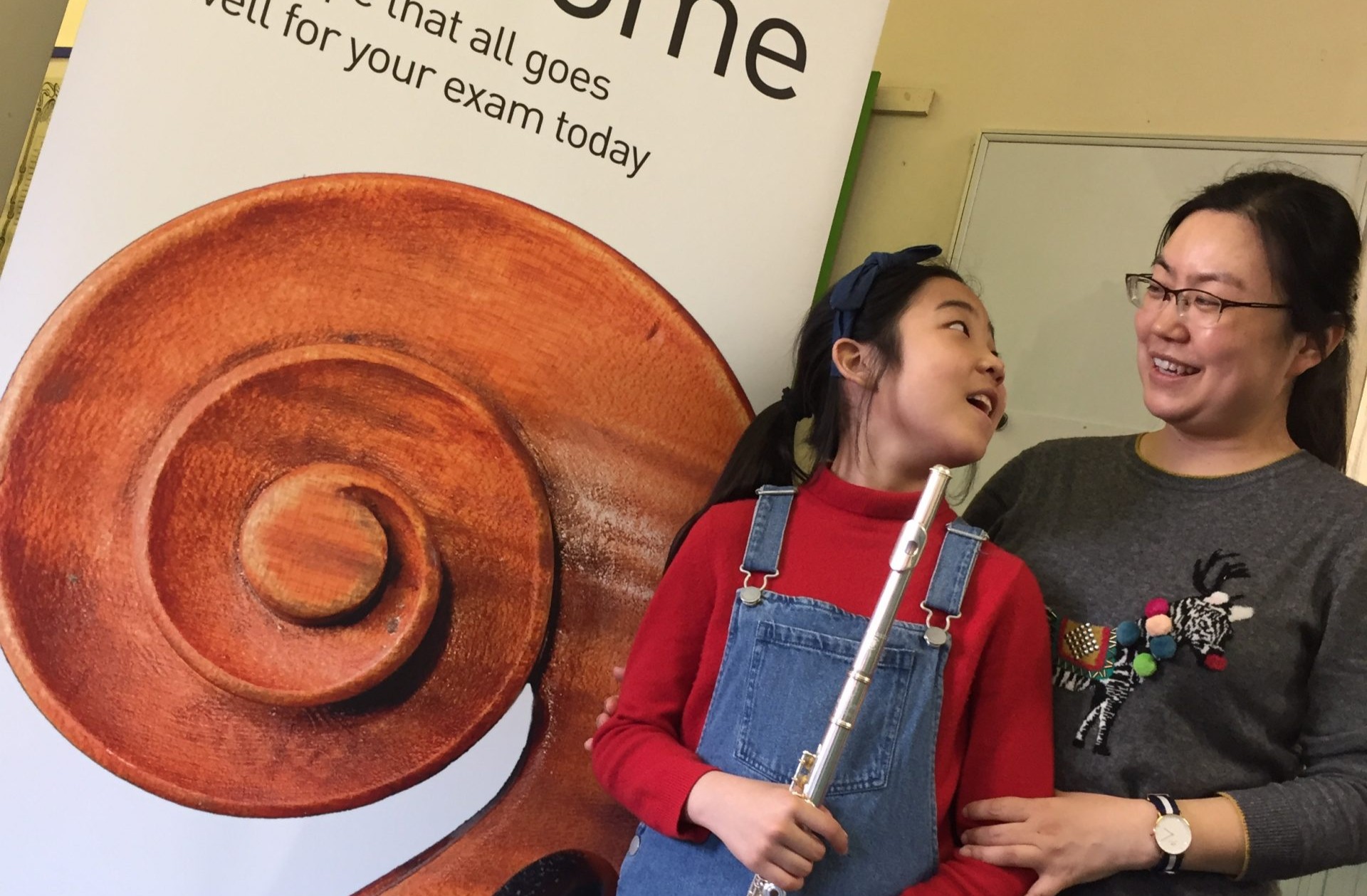
Top Tips for Getting Your Child into a Practice Routine
Just like with any type of learning, helping your child make good progress with their chosen musical instrument is not about coercion.Children learn better and absorb more information when they are having fun. So how can you create a positive association with their music practice so they make wonderful progress? Follow these three steps.
Get Clear on Reasons for Practising
Encouraging your child to practise with their musical instrument is not about ‘making’ them get better at it. Maybe you treat it as fun and quality time together. Maybe you talk to them about how playing music can help them build their confidence and express themselves. Focus on the positives of practice, don’t treat it like a chore.
Create a routine
Putting a routine in place for your child’s music practice will help them develop good habits. Think about the other routines they have, like brushing their teeth before bed, or doing their homework after school; music practice should be treated the same.
Routine starts with you, the parents. Decide on a time, like before school or immediately after, for example, practise for 10 minutes after school Monday to Friday. In the school holidays, it may be every morning after breakfast. Choose what works for them and for you. This is important, because deciding how much time you have as a parent to get involved will help them develop a good routine.
Scenario #1 – If you have 5-10 minutes a day to help them practise:
Be in the same room as your child when it’s Practice Time. You don’t need to teach your child. Simply open up the Practice Notebook and ask your child to refer to their Practice Notes. If you are an extremely busy parent, you may be working on the computer, texting, or reading at the same time. This is fine as long as you’re in a quiet space and you’re not doing something like talking on the phone, for example. At the end of 5 minutes, you may leave your child to practise on their own.
Scenario #2 – If you have 10 – 20 minutes a day to help them practise:
If you can be attentive during the Practice Time, your child will be more focused and make more progress. Open up the Practice Notebook and ask your child to follow the items in the Practice Notes. Don’t teach or correct your child. Simply offer them positive encouragement and say ‘well done’ for any work completed.Avoid these things
So many children become unmotivated and resistant to practising. This is often because:- They are constantly told that their practice is not enough;
- They feel under pressure to practise for longer than they can manage;
- They get bored;
- They don’t know what to practise.
If your child has lost their motivation to practise with their musical instrument, my advice is:
- Always say ‘well done for doing your practice today’ when your child has done their practice. Don’t express dissatisfaction if they have not done their practice. Stay focused on the positive. Remember, it’s not about ‘making’ them learn.
- Remember that showing up to Practice Time is much more important than how long your child practises.
- Ask your child to practise for about 10 minutes each day. Having to practise for too long and beyond their attention span will lead to boredom and loss of motivation.
- Refer to your child’s Practice Notes so that they know what to practise.
If your child has a positive association with their Music Practice and they think of practising with you as fun parent and child time together, they are more likely to develop good practice habits, get into a regular routine, and make wonderful progress with their musical instrument.
Got a question about music practice? Email joolee@lindy-jazz.co.uk.
-

How To Prepare for Music Lessons on Zoom
So many of my students have benefitted from having their lessons on Zoom, in normal times and pandemic times. It’s not difficult if you take your time, and avoid rushing.
Here are a number of videos to help you to get set up.
-

Free Online Practice Materials
You can find free online practice materials with short videos to guide you with your flute practice here. I will be creating some videos for piano practice soon.
-
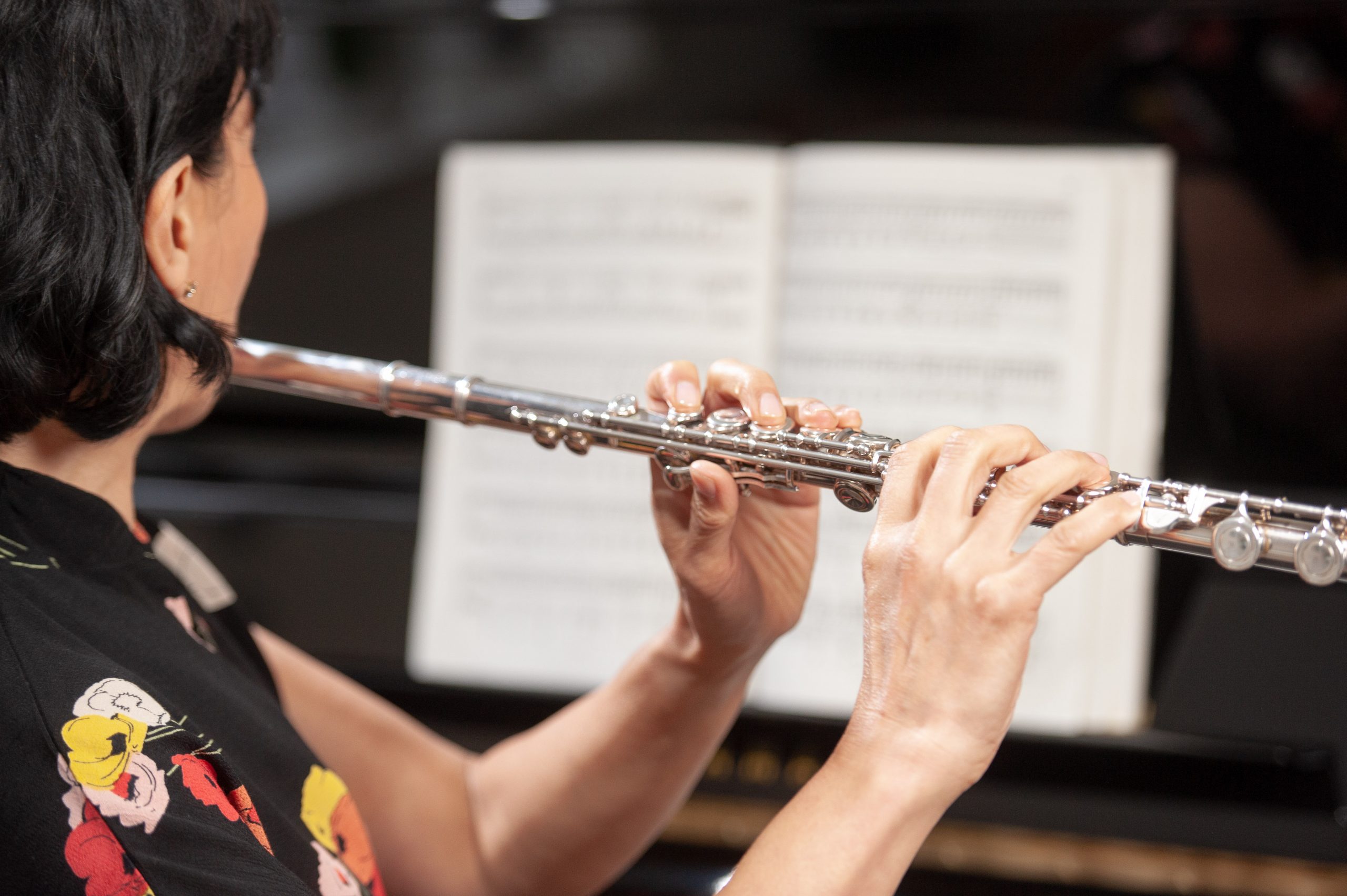
Book a Lesson on Zoom
You can have your lessons via Zoom as distance and travel will not be barriers to your lessons. You can choose to work with me to achieve your musical goals through a series of lessons or simply work on a particular area via a one-off consultation lesson via Zoom.
Looking forward to meeting you, Joo-Lee
-
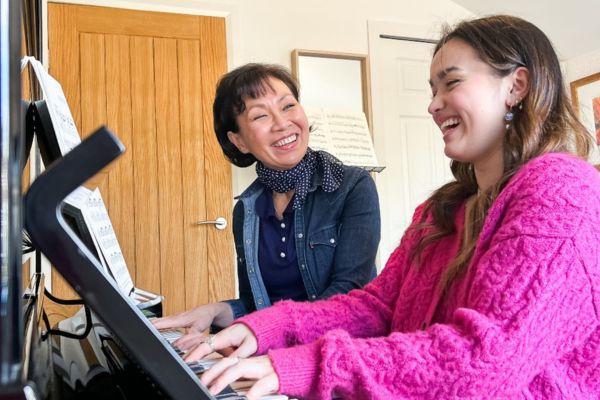
Book one-off or regular lessons
You can choose to work with me to achieve your musical goals through a series of lessons or simply work on a particular area via a one-off consultation lesson. In-person lessons are held in my Music Room at home in Newton Hall, Durham DH1 5XL.
Looking forward to meeting you!
-
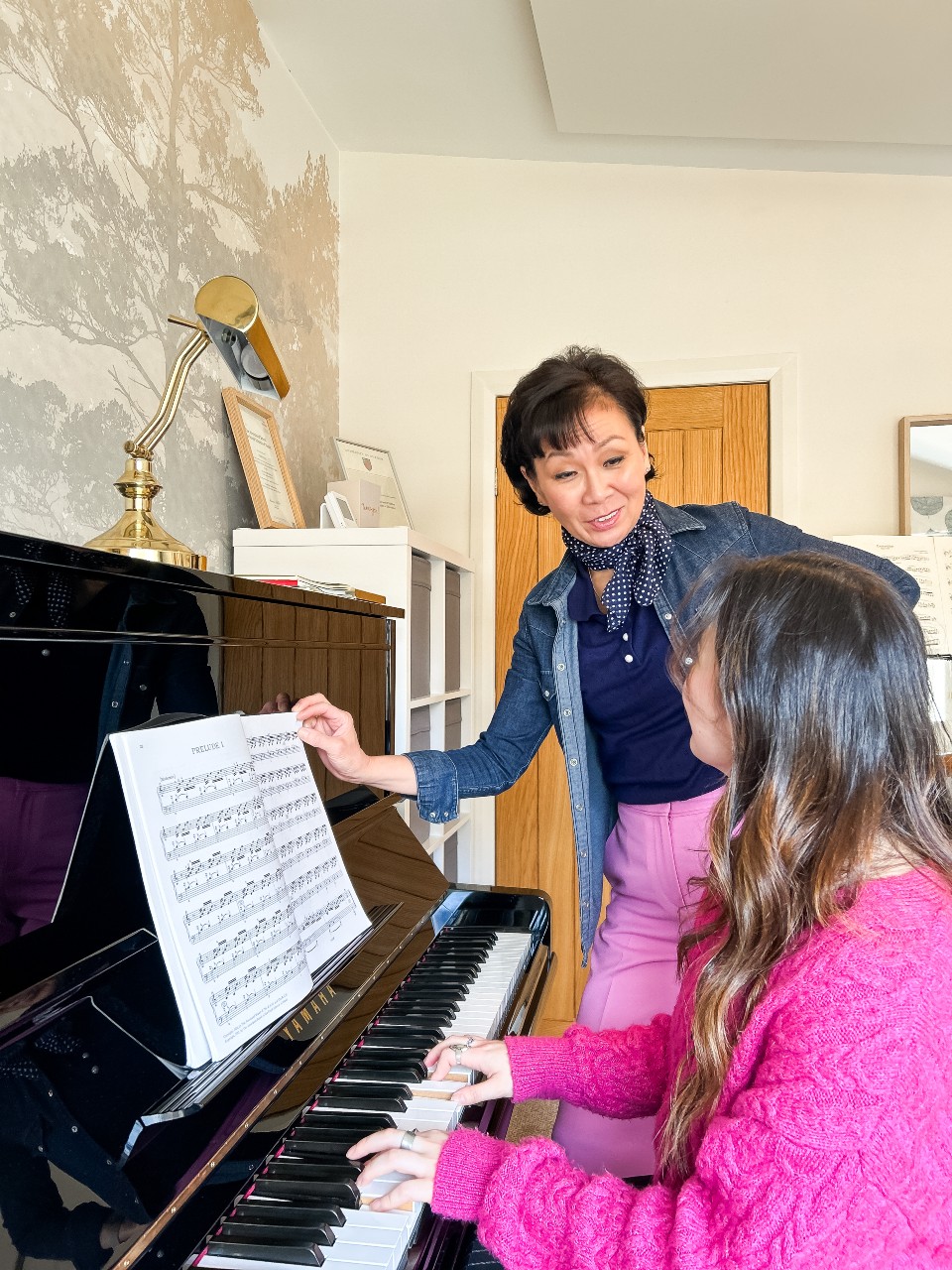
Book a FREE Trial lesson here
New to my music services? One of the services I offer is a FREE trial lesson.
This is an opportunity for you to get to know me and for me to get to know you and your musical goals and wishes. You will get the chance to try a lesson & find out what you can expect before you start a series of lessons.
In-person lessons are held in my Music Room at home in Newton Hall, Durham DH1 5XL.
Book your FREE trial lesson here.
(more…)